Fiscalization in Armenia: a timeline
A map of how the rules for cash registers, virtual fiscalization, and non-cash operations took shape in Armenia — from the 1998 border-villages list to the latest 2024 amendments. Which decree, law, or order changed what, and who was running it at the time.
Last reviewed Apr 29, 2026
This page is a map of how the rules for fiscalization took shape in Armenia. From the first border-villages list of 1998 to the most recent amendments in 2024: what happened, how it changed, and which document made it so.
The tracks this runs on
The rulebook splits into a few parallel tracks, and each event below belongs to one or more of them:
- Hardware cash registers — technical requirements, certification, service, installment plans.
- Virtual cash registers — Article 380.1 of the Tax Code and the decrees built on top of it.
- Non-cash operations — a separate 2022 law that overlaps with the cash-register regime and often imposes stricter limits.
- Marking — an adjacent system whose footprint shows up on the fiscal receipt.
- Regulator — who ran fiscalization day to day: a state non-commercial organisation from 2012 to 2021, and the State Revenue Committee directly after that.
Every event below is a publicly verifiable act with a checkable date. Where we have a dedicated page that unpacks it, the entry links there; where we don't, the link goes straight to the source (src.am, e-gov.am, ARLIS).
What came before
The timeline below formally starts on 17 November 1998 — but that's the start of fiscalization's recorded history, not of fiscalization itself. What was there before is worth saying honestly.
In the Soviet era cash registers existed and were in use — but they weren't universally mandatory across all kinds of trade, and receipts weren't fiscal in the modern sense. They were internal retail documents, not tax instruments. There was no concept of "fiscal memory," "fiscal number," or "tax receipt" in Soviet GOSTs. Modern mandatory fiscalization started taking shape in Russia from 1993, and in Armenia from 1998.
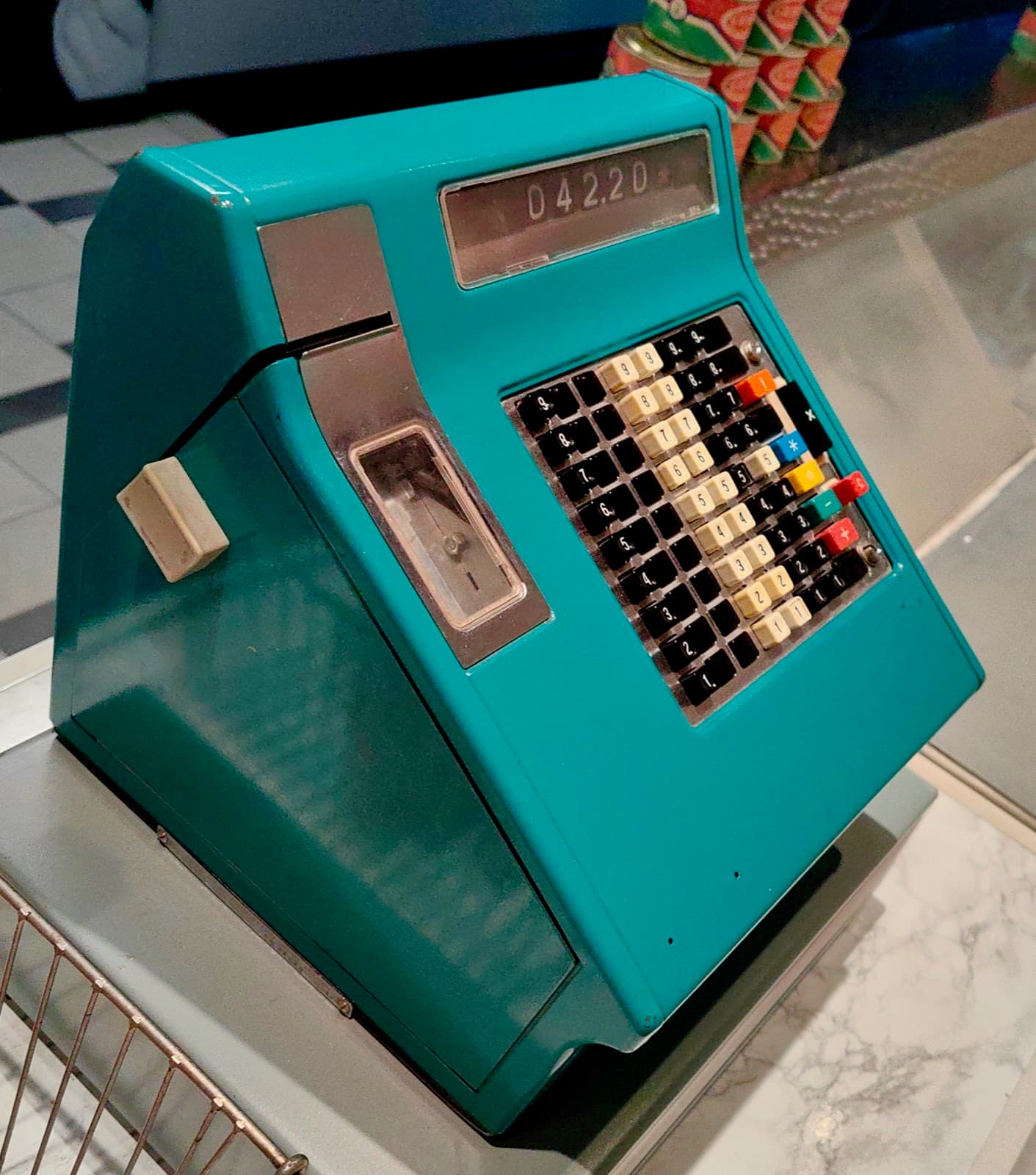
Between 1991 and 1998 independent Armenia had no cash-register-as-fiscal-tool either as a concept or as a law — registers continued to be used by Soviet inertia, on a voluntary basis. The body that could in principle have run such a regime was already in place: the State Tax Inspectorate of Armenia (established 2 October 1991), then the Ministry of State Revenues (15 June 1996), then the State Tax Service (2002), then the State Revenue Committee (from 2008 to today). But the fiscal regime itself didn't yet exist.
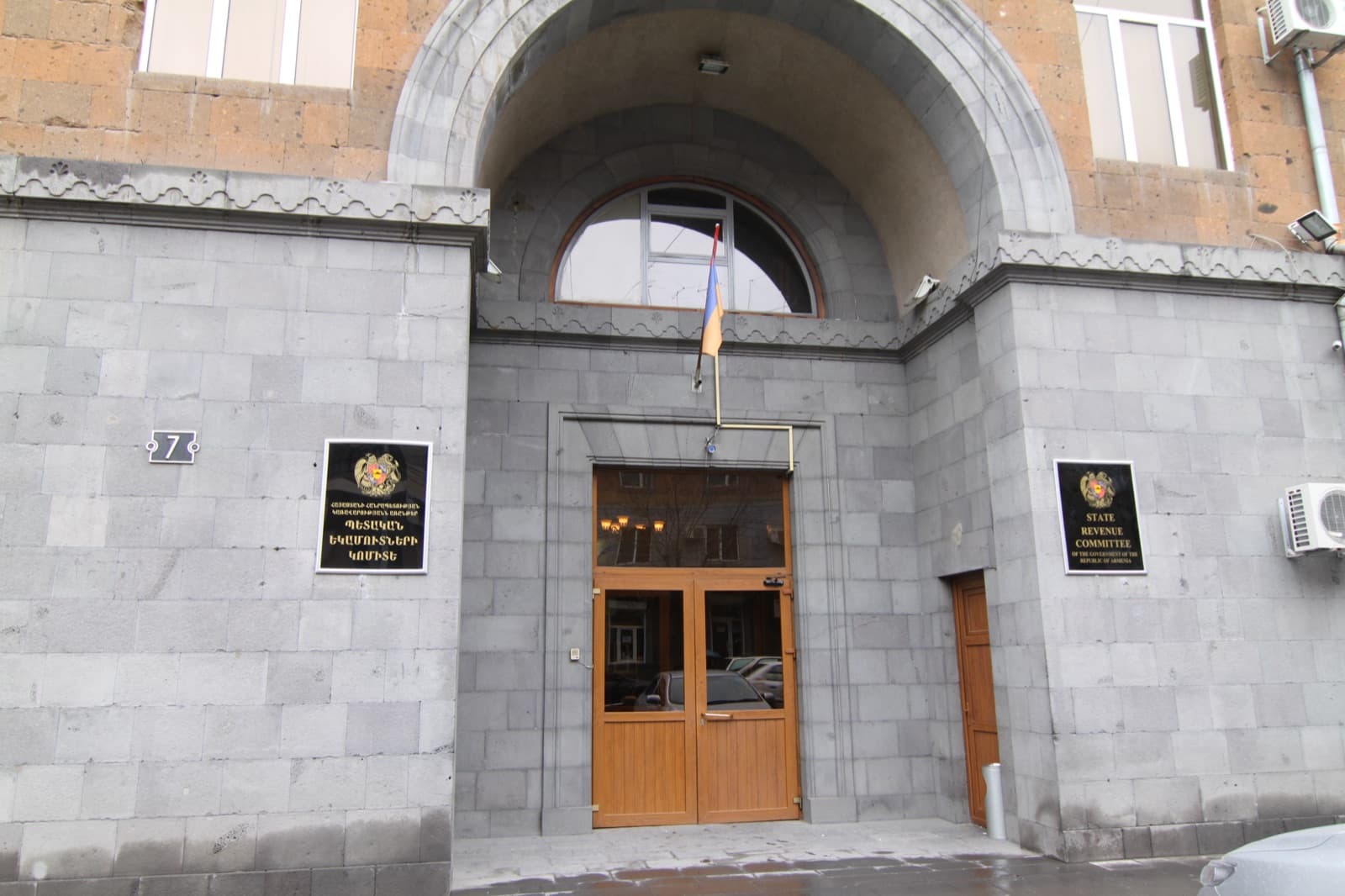
The dark zone ends on 15 May 1998 with Government Decree N 298 "On Measures for Introducing Cash Register Machines in the Republic of Armenia". This is the first act that treats a cash register as a tax-control instrument. N 298 instructs the Tax Inspectorate to draw up operating rules for approved cash registers — which it does on 27 November 1998 with order N 01/58 (it's in the timeline below).
Decree N 713 of 17 November 1998, which the timeline formally opens with, is actually about a list of border villages, not about fiscalization. It shows up in our timeline not because fiscalization started with border villages, but because that list was later cited in acts that gave villages free cash registers — Chekhov's gun.
Decree N 298 itself is not on ARLIS as a standalone digital record; it survives only as a reference inside Tax Inspectorate orders. So we don't give it its own node in the timeline below — but the pre-history ends on 15 May 1998 nonetheless.
What counts as the start of classical fiscalization
Depends on what you mean by "classical".
- First regulatory act — 15 May 1998, Decree N 298. Fiscalization first enters Armenian law from there.
- First standalone law — 22 November 2004, ՀՕ-129-Ն. Before this, the regime was governed by decrees and tax-authority orders. In 2004 it got a parliamentary law, which ran for thirteen years until the Tax Code absorbed it on 1 January 2018.
- First modern (online) fiscalization — 18 October 2012, Government decree N 1359-Ն, which amended the 2005 N 946-Ն technical-requirements decree to require every cash register newly registered with the tax authority from 1 January 2013 onwards to be internet-connected. Before that amendment, offline tape printers. After it, networked HDMs that sign and report every receipt to SRC in real time — the way they work today.
If you need a single date — 15 May 1998. If you need the date when the regime started looking the way it does now — 18 October 2012.
- N 713Government decree
Border villages list
Government decree N 713 of 17 November 1998 fixed the official list of border villages of Armenia. It appears in our timeline because later cash-register acts treat that list as authoritative when they refer to «border villages» — most directly Decree N 1419-Ն, clause 5.1 (added by amendment N 579-Ն of 2 June 2016), which makes cash-register servicing in border villages free of charge. After the 2021 SNCO dissolution that obligation transferred to SRC, which still administers it today.
- N 01/58Tax inspectorate order
Operating rules for approved cash registers
Tax Inspectorate decree N 01/58, issued under the authorising clause of Government Decree N 298 of 15 May 1998, set the first operating rules for cash registers permitted in Armenia. The Tax Inspectorate of the day was a two-step institutional predecessor of today's State Revenue Committee.
Hardware CR - N 1408-ՆGovernment decree
Cash-operations procedure under President Kocharyan
Government decree N 1408-Ն, signed by President Robert Kocharyan on 15 November 2003 and adopted by PM Andranik Margaryan on 8 October 2003, approved the procedure for conducting cash operations under the 1998 *Law on Cash Operations*. It defined cash inflow/outflow documentation, the cash book, time limits for cash advances, and the role of cash registers (հսկիչ-դրամարկղային մեքենաներ) within that flow. Still in force decades later — heavily amended (e.g. N 1385-Ն in 2007, N 1016-Ν in 2008, N 877-Ν in 2012) but the original 2003 frame is what subsequent decrees patch.
Hardware CR - ՀՕ-129-ՆLaw
The standalone Law on Cash Registers
Law ՀՕ-129-Ն — «On the Application of Cash Register Machines» — was Armenia's standalone cash-register law for thirteen years. It took effect 1 January 2005 and stayed in force until the new Tax Code absorbed cash-register rules from 1 January 2018. Everything below until 2018 sits inside this law's framework.
Hardware CR - N 946-ՆGovernment decree
First technical specs and approved-models list
Government decree N 946-Ն set the first published technical requirements for cash registers and the first list of approved CR models for the Armenian market — the lineage of today's approved-models list starts here. An October 2012 amendment to this decree required all newly registered CRs from 1 January 2013 onwards to be internet-connected, the inflection point from offline tape printers to today's networked HDMs.
- N 1359-ՆGovernment decree
Internet-connected cash registers become mandatory
Government decree N 1359-Ն amended the 2005 N 946-Ն technical-requirements decree, requiring every cash register newly registered with the tax authority from 1 January 2013 onwards to support 3G/GPRS/Ethernet integration with SRC's information systems. This is the inflection point from offline tape printers to today's networked HDMs that sign and forward each receipt to SRC in real time.
Hardware CR - N 1419-ՆGovernment decree
The SNCO is born
Government decree N 1419-Ն of 8 November 2012 created the State Non-Commercial Organisation «ՀԴՄ ներդրման գրասենյակ» — a single body responsible for issuing conformity assessments, coordinating service stations, and importing and selling cash registers across the country.
- N 846-ՆGovernment decree
Fiscal-memory regime codified
Government decree N 846-Ն consolidated into a single instrument the 2004 operational decree (N 1325-Ն of 26 August 2004) and the 2005 technical-spec decree (N 946-Ն of 1 June 2005). Signed by PM Tigran Sargsyan, it entered into force on 15 August 2013, with an 18-month transition during which the predecessors fully ceased only on 1 January 2015. More than a re-pack: this is the first decree to formally define the legal concepts the whole fiscal regime is built on — *fiscal memory* (Ֆիսկալային հիշողություն, the tamper-evident long-term store), *fiscal data* (Ֆիսկալային տվյալներ), and *fiscalization* (Ֆիսկալավորում, the activation of fiscal mode). It also imposed the multi-language requirement still in force today: software UI in Armenian and English from day one, Russian added from 1 January 2014; receipts and customer-facing display kept Armenian-only. Immediate predecessor of the 2017 N 1318-Ն and today's N 1976-Ն.
- N 505-ԱSRC chair order
Unified service standard for cash-register registration
SRC chair's order N 505-Ա, Annex 4, set the operational rulebook that ran alongside the technical N 846-Ն. It codified the SNCO acquisition flow: pay the SNCO bank account for the required number of devices, file application form #100 in the SRC electronic-reporting system (file-online.taxservice.am), wait one working day for joint SNCO + SRC review, receive a configured HDM moved to «current» status. Form #101 covered HDMs bought second-hand or rented. A separate de-registration form de-fiscalised the device and returned it to the taxpayer. Crucially, the standard required every taxpayer to sign a contract with a private *service centre* (separate from the SNCO) that handled network forwarding of receipt data — so even in the SNCO-monopoly era, day-to-day servicing was a private market. The standard explicitly anticipated temporary HDM provision while a primary device was under repair, implying the SNCO held a backup pool.
Hardware CR - ՀՕ-165-ՆLaw
Tax Code adopted
Law ՀՕ-165-Ն — the Tax Code of the Republic of Armenia — was adopted by the National Assembly on 4 October 2016 and entered into force on 1 January 2018. From that date, the standalone 2004 cash-register law ՀՕ-129-Ն was repealed and its rules migrated into the Tax Code as Articles 380, 380.1, 381, and the penalty article 416. Everything after this date sits inside the Tax Code's framework.
- N 861-ՆGovernment decree
Two-year installment plans
Government decree N 861-Ն allowed the SNCO to sell cash registers on a 2-year installment to taxpayers who could not afford one upfront, with a 1%-per-day late penalty. This expanded the SNCO's role from regulator into retail lender — a decision that would later create the bulk of the debt forgiven in 2021.
Hardware CR - N 1318-ՆGovernment decree
Tech requirements: next generation
Government decree N 1318-Ն replaced N 846-Ն — the technical-requirements decree fiscal.am readers would now call "the immediate predecessor of N 1976-Ն". It tightened the spec the SNCO worked off of for the next three years, until the 2019 market liberalisation rewired who could implement it.
Hardware CR - N 310-Ն, N 331-Ն, N 332-ՆGovernment decree
March 2019 liberalization
Three government decrees adopted on the same day rewrote the cash-register market in parallel. Any business — not just the SNCO — could now import, develop software for, sell, and service cash registers. The SNCO kept only conformity assessment and the free-CR obligation for border villages.
- N 696-ԼSRC chair order
First public conformity-assessment procedure
Six months after liberalization, the SRC chair issued order N 696-Լ — the first publicly published procedure for what a manufacturer or importer has to do to get a cash-register model approved: forms, working group, 18-day decision window, sample-retention rules.
Hardware CR - ՀՕ-280-ՆLaw
Article 380.1: virtual cash registers
Law ՀՕ-280-Ն added Article 380.1 to the Tax Code, creating the legal basis for electronic (virtual) cash registers — software that issues fiscal receipts via API, registered with SRC the same way a physical device is.
- N 1976-ՆGovernment decree
Master tech-requirements decree
Government decree N 1976-Ն replaced the 2017 N 1318-Ն and consolidated technical requirements for both hardware and electronic cash registers, the receipt format, the registration procedure, the SRC web-service description, and later taxi-specific electronic-CR rules into a single instrument with nine annexes.
Hardware CRVirtual CR - N 2205-ԱGovernment act
The SNCO is dissolved
Decree N 2205-Ա liquidated the SNCO and forgave two distinct debts: 47,366,037 drams of intermediary commissions service organisations had stopped paying after the 2019 liberalisation, and 145,290,600 drams of late-payment penalties accumulated on installment-plan cash registers (figures from the cabinet's briefing, as of April 2020 and 12 October 2021 respectively). Conformity assessment, the free-CR obligation, and remaining assets moved directly to the State Revenue Committee.
- N 312-ԼGovernment act
i-Mark operator created
Government decision N 312-Լ designated «Future Technologies Development Center-Armenia» (the i-Mark / e-mark.am operator) as the national operator of the EAEU goods-marking system in Armenia, with SRC as the authorised body. Structurally, this is to marking what N 1419-Ն was to cash registers — a single dedicated operator alongside the regulator. The same decree authorised the first pilots: tobacco (HS 2402) and alcohol (HS 2204–2208).
Marking - ՀՕ-12-ՆLaw
Non-Cash Operations Law takes effect
Law ՀՕ-12-Ն — «On Non-Cash Operations» — was adopted by the National Assembly on 18 January 2022 and entered into force on 1 July 2022 after a six-month transition. From that date, payments above 300,000 AMD between businesses and individuals must go through non-cash channels, all B2B transactions must be non-cash regardless of amount, and a long list of professional services (legal, audit, IT consulting) must accept payment non-cash. Operates alongside Tax Code cash-register rules but with stricter overrides.
- N 812-ԼSRC chair order
Conformity-assessment procedure rewritten for SRC
After the SNCO was dissolved, SRC chair's order N 812-Լ replaced the 2019 N 696-Լ — the same procedure (forms, 18-day decision, 70%-majority working group), now run directly inside SRC. This is the order a manufacturer follows today.
- N 1418-ՆGovernment decree
Marking traceability system goes live
Government decree N 1418-Ն established the information system for monitoring the circulation of goods bearing identification means — the back-end traceability platform that ties EAEU goods marking to retail point of sale. Effective 3 September 2023, six months after mandatory tobacco marking (15 March 2023) made marking the first category to retire through fiscal receipts at checkout.
MarkingHardware CRVirtual CR - ՀՕ-395-ՆLaw
Article 380.1 expanded to cover taxis
Law ՀՕ-395-Ն substantially rewrote Article 380.1. It made electronic cash registers mandatory not only for businesses providing passenger transport via electronic platforms, but also for self-employed taxi drivers — physical persons without IE registration. First time the e-CR obligation reached non-IE individuals.
- N 1348-ՆGovernment decree
Annex N 9 adds taxi e-CR rules
Government decree N 1348-Ն amended Decree N 1976-Ն: it added a sixth subpoint to clause 2, inserted clause 2.1, and added Annex N 9. The new annex makes electronic cash registers mandatory for platform passenger transport and passenger-taxi transport, treats the first compliant electronic receipt as registration of the e-CR, and sets the receipt fields and violation rules for this transport-specific regime. The amendment entered into force on 1 September 2024.
- N 1720-ԼSRC chair order
Adjustment to the manufacturer procedure
SRC chair's order N 1720-Լ amended N 812-Լ on 25 December 2024. The procedure shape stayed the same; the consolidated text on src.am incorporates this amendment.
Hardware CR - ՀՕ-255-ՆLaw
Latest amendment to Article 381
Law ՀՕ-255-Ն is the most recent amendment incorporated into Article 381 — the article that lists the mandatory fields a fiscal receipt has to carry. The current consolidated text keeps the marking, identification-means, and fiscal-mode fields in the receipt data model.
- N 1264-ՆGovernment decree
Marking and the fiscal receipt are formally wired together
Government decree N 1264-Ն set the cases and procedure for electronic transmission of identification-means data for marked goods — defining when and how a marking code is retired (sale-out, decommissioning, export, return) through the national operator's app and the monitoring information system, both interoperating with SRC's fiscal-receipt infrastructure. Together with Tax Code Article 396.1, this is the explicit bridge between the marking layer and the fiscal-receipt layer. It builds on the master list of marked goods adopted earlier in 2025 (N 125-Ն of 6 February 2025, expanded by N 644-Ն of 22 May 2025), which schedules waves of mandatory marking through 2026.
MarkingHardware CRVirtual CR
What we still want to unpack
A few threads that aren't fully on this map yet:
- The 2023 marking waves. We've pinned down the i-Mark operator (N 312-Լ, March 2022) and the back-end traceability system (N 1418-Ն, August 2023), but the per-category mandatory-marking decrees of 2023 (tobacco from 15 March, then the August omnibus — footwear, light industry, perfume, tyres, dairy, bottled water) live in separate government decrees. Not all of them surface with a verifiable primary URL on ARLIS, so we don't list them as discrete nodes yet.
- The 2025 master list of marked goods. Decree N 125-Ն of 6 February 2025 (expanded by N 644-Ն of 22 May 2025) is the list that schedules the marking waves through 2026, including pharmacies from 1 January 2026. We reference it from inside the N 1264-Ն node but haven't given it its own entry — on ARLIS it's currently only available bundled with the amendment.
- Tax Code Article 396.1. The article that — together with decree N 1264-Ն — wires marking-code retirement into the fiscal-receipt flow. We don't yet have a dedicated article page for it in the law corpus.
- An SRC chair's order for service organisations. No such public order exists as a separate document. After the 2019 liberalisation, any business may service cash registers; the operational rules for service centres live inside Annex 1 of decree N 1976-Ն (substitute CRs during repair, service-quality requirements) rather than in a separate accreditation order.
If you know of a document that belongs here, or we've missed something — tell us. We'll fix it.
Where to go from here
- How cash-register certification took shape in Armenia — a deep dive into one track: the state body 2012–2021, the 2019 liberalization, and what stays with SRC today.
- How to get a cash-register model approved — a practical guide to chair's order N 812-Լ.
- Law and decree corpus — original texts and translations.